

AI Powered Chips are revolutionizing the consumer electronics industry at an unprecedented pace. As we navigate through 2026, these intelligent processors have become the backbone of modern devices, enabling capabilities that seemed like science fiction just a few years ago. From smartphones that anticipate your needs to smart homes that adapt to your lifestyle, AI Powered Chips are making it all possible.
The integration of artificial intelligence into semiconductor design has created a paradigm shift in how devices process information. No longer are consumer electronics limited to executing pre-programmed commands. Today’s devices learn, adapt, and make decisions in real-time, all thanks to the remarkable capabilities of AI Powered Chips.
This transformation is not just about faster processing speeds. It represents a fundamental change in the relationship between humans and technology. Devices are becoming more intuitive, more responsive, and more personalized than ever before. The combination of AI Powered Chips and Edge AI technologies is creating an ecosystem where intelligence is embedded at every level of consumer electronics.
What Are AI Powered Chips?
AI Powered Chips are specialized semiconductors designed specifically to handle artificial intelligence workloads efficiently. Unlike traditional processors that excel at general computing tasks, these chips are optimized for the complex mathematical operations required by machine learning algorithms and neural networks.
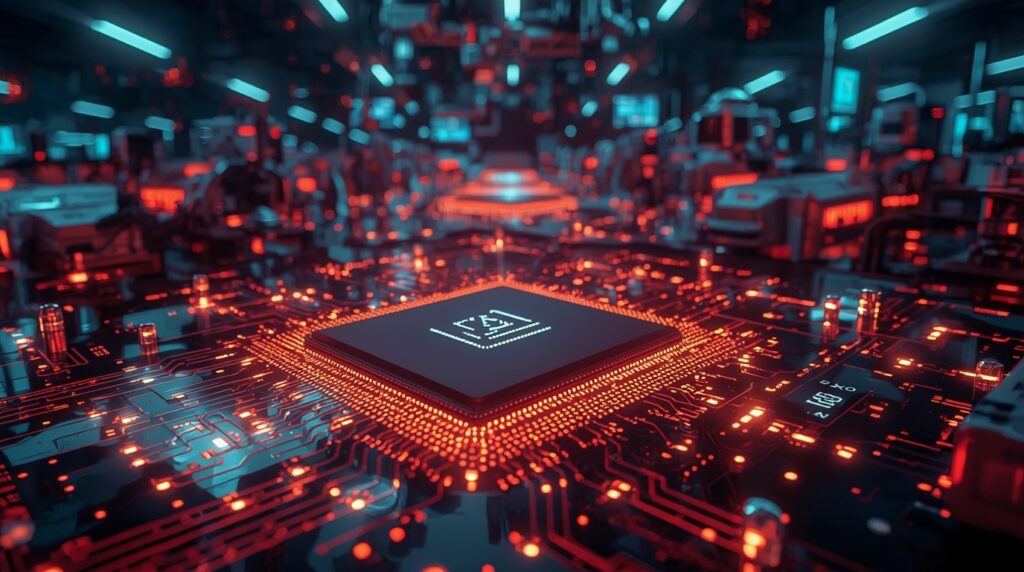
These processors feature unique architectures that enable parallel processing of massive datasets. They can perform thousands of calculations simultaneously, making them ideal for tasks like image recognition, natural language processing, and predictive analytics. The efficiency of AI Powered Chips allows devices to run sophisticated AI applications without draining battery life or generating excessive heat.
Modern AI Powered Chips include dedicated neural processing units (NPUs), tensor processing units (TPUs), and other specialized components. These elements work together to accelerate AI workloads while maintaining energy efficiency. Manufacturers are continuously innovating, creating chips that are more powerful yet smaller and more efficient with each generation.
The market for AI Powered Chips has exploded in recent years. Major semiconductor companies are investing billions in research and development to create the next generation of intelligent processors. This competition is driving rapid innovation and making AI capabilities accessible across a wider range of consumer devices.
Understanding Edge AI Technology
Edge AI represents a fundamental shift in how artificial intelligence is deployed and executed. Instead of sending data to distant cloud servers for processing, Edge AI performs computations directly on the device where data is generated. This approach offers numerous advantages that are transforming consumer electronics.
The primary benefit of Edge AI is reduced latency. When processing happens locally, devices can respond to user commands and environmental changes almost instantaneously. This is crucial for applications like voice assistants, augmented reality, and autonomous systems where delays can significantly impact user experience.
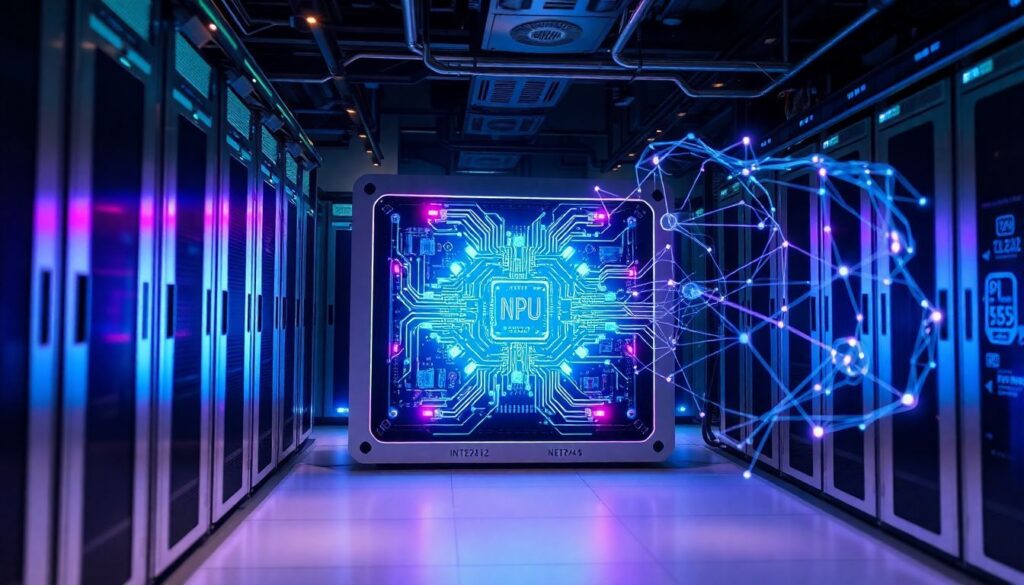
Privacy and security are also enhanced through Edge AI. Since sensitive data doesn’t need to travel across networks to remote servers, the risk of interception or data breaches is minimized. Users have greater control over their personal information when processing occurs on their own devices.
Edge AI also improves reliability and functionality in areas with limited or no internet connectivity. Devices can continue to operate intelligently even when offline, making them more versatile and dependable. This is particularly important for critical applications like health monitoring, security systems, and emergency response features.
AI Powered Chips in Smartphones
Smartphones have emerged as one of the primary beneficiaries of AI Powered Chips technology. Modern mobile devices are essentially pocket-sized supercomputers, capable of performing tasks that required powerful desktop systems just a decade ago. This transformation is largely due to the integration of sophisticated AI processors.
Camera systems in smartphones have been revolutionized by AI Powered Chips. These processors enable real-time scene recognition, automatic adjustment of camera settings, and advanced computational photography features. Users can capture professional-quality images without understanding complex photography principles. The AI analyzes lighting conditions, identifies subjects, and optimizes every aspect of the image capture process instantaneously.
Voice assistants have become significantly more responsive and accurate thanks to on-device AI processing. Natural language understanding happens locally, allowing for faster response times and better privacy. Users can interact with their devices more naturally, and the AI learns individual speech patterns and preferences over time.
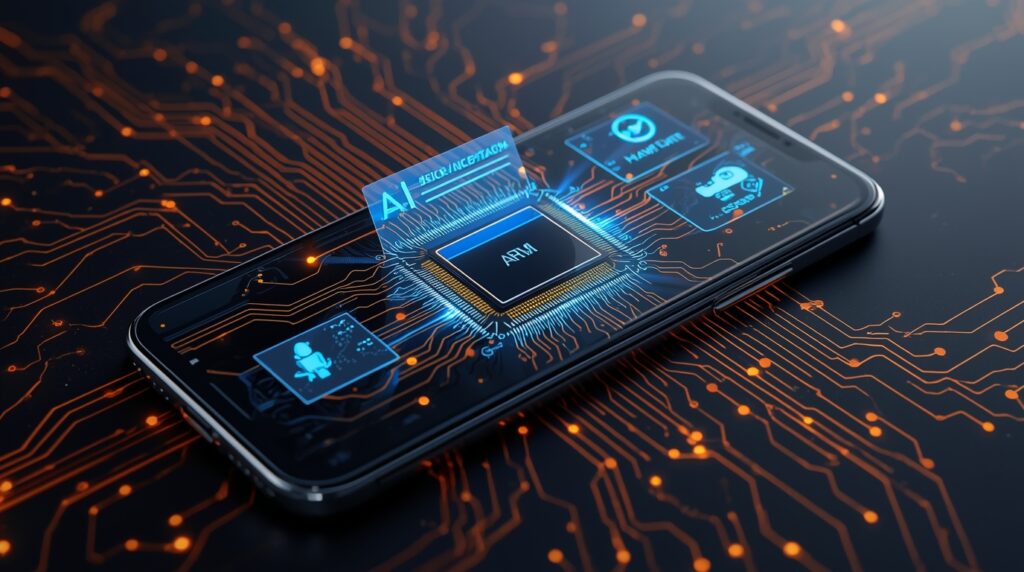
Battery management has also been enhanced through AI Powered Chips. These intelligent processors analyze usage patterns, predict power needs, and optimize energy consumption dynamically. This results in longer battery life and more efficient charging cycles, addressing one of the most common consumer complaints about mobile devices.
Smart Home Revolution with AI Powered Chips
The smart home ecosystem is experiencing unprecedented growth, driven largely by AI Powered Chips technology. These intelligent processors are making home automation systems more intuitive, efficient, and user-friendly than ever before.
Security systems have been transformed by Edge AI capabilities. Smart cameras can now distinguish between people, pets, vehicles, and other objects with remarkable accuracy. They can recognize familiar faces, detect unusual activities, and send instant alerts to homeowners. All of this processing happens locally, ensuring quick response times and enhanced privacy.
Climate control systems equipped with AI Powered Chips learn household patterns and preferences automatically. They adjust heating and cooling based on occupancy, weather forecasts, and individual comfort preferences. This intelligent automation leads to significant energy savings while maintaining optimal comfort levels.
Smart speakers and displays have evolved from simple voice-activated devices to comprehensive home management hubs. Powered by AI chips, they can control multiple devices simultaneously, understand context and intent, and provide personalized recommendations. The integration of AI Powered Chips enables these devices to process complex commands locally, reducing dependence on cloud connectivity.
Wearable Technology and Health Monitoring
Wearable devices have become increasingly sophisticated, thanks to AI Powered Chips that enable continuous health monitoring and real-time analysis. These compact yet powerful processors are making wearables essential tools for health management and fitness optimization.
Modern smartwatches and fitness trackers can monitor heart rate variability, blood oxygen levels, sleep quality, and stress indicators with clinical-grade accuracy. AI Powered Chips process this data locally, providing immediate feedback and insights without requiring constant internet connectivity. This capability is particularly valuable for users in remote areas or during travel.
The predictive capabilities of AI-powered wearables are helping users prevent health issues before they become serious. By analyzing patterns in biometric data, these devices can detect irregularities and alert users to potential health concerns. Early detection of conditions like atrial fibrillation or sleep apnea can lead to timely medical intervention and better health outcomes.
Fitness tracking has also been enhanced through AI Powered Chips. These processors can analyze movement patterns, provide real-time coaching, and personalize workout recommendations based on individual performance and goals. The ability to process data locally ensures that fitness tracking remains accurate and responsive even during intense physical activities.
Gaming and Entertainment Enhancements
The gaming and entertainment industries are being transformed by AI Powered Chips, creating more immersive and personalized experiences for consumers. These intelligent processors are pushing the boundaries of what’s possible in interactive entertainment.
Gaming consoles and mobile devices now feature AI-powered graphics optimization that adjusts visual quality in real-time based on processing capabilities and battery levels. AI algorithms can predict player movements and pre-load game assets, reducing lag and creating smoother gameplay experiences. Non-player characters (NPCs) exhibit more realistic behaviors thanks to machine learning algorithms running on AI Powered Chips.
Streaming services utilize AI to curate personalized content recommendations with remarkable accuracy. These systems analyze viewing habits, preferences, and even mood indicators to suggest entertainment options. Edge AI enables this processing to happen quickly and efficiently, improving the user experience while protecting viewing privacy.
Audio and video quality enhancement is another area where AI Powered Chips excel. Real-time upscaling of video content, noise cancellation in audio, and adaptive bitrate streaming all rely on sophisticated AI processing. These features ensure optimal quality regardless of network conditions or source material limitations.
Comparison: Traditional Chips vs AI Powered Chips
| Feature | Traditional Processors | AI Powered Chips |
|---|---|---|
| Processing Architecture | Sequential processing | Parallel processing |
| Power Efficiency | Moderate | High optimization |
| AI Task Performance | Limited | Exceptional |
| Heat Generation | Higher | Lower |
| Real-time Learning | Not supported | Fully supported |
| Neural Network Support | Software-based | Hardware-accelerated |
| Battery Impact | Higher drain | Optimized consumption |
| Latency | Higher | Minimal |
| Offline Capability | Limited | Full functionality |
| Cost | Lower initial cost | Higher but better ROI |
Privacy and Security Benefits of Local Processing
One of the most significant advantages of AI Powered Chips and Edge AI is enhanced privacy and security. As consumers become increasingly aware of data privacy issues, the ability to process information locally has become a crucial selling point for modern devices.
When data is processed on-device rather than transmitted to cloud servers, the exposure to potential security breaches is dramatically reduced. Sensitive information like biometric data, personal conversations, and health metrics never leave the user’s device. This local processing model gives users greater control over their personal information.
AI Powered Chips enable sophisticated encryption and security features to run continuously without impacting device performance. Facial recognition, fingerprint scanning, and voice authentication all benefit from on-device AI processing, providing both security and convenience.
Regulatory compliance is also easier to achieve with Edge AI. Data protection regulations like GDPR and CCPA impose strict requirements on data handling and storage. By processing data locally and minimizing data transmission, manufacturers can more easily comply with these regulations while maintaining functionality.
Sustainable Manufacturing and AI Powered Chips
As the demand for AI Powered Chips continues to grow, the electronics industry is increasingly focusing on sustainable manufacturing practices. Producing advanced semiconductors requires significant resources, energy, and complex supply chains, making sustainability a critical consideration.
Manufacturers are adopting innovative approaches to reduce the environmental impact of chip production. This includes using renewable energy sources in fabrication facilities, implementing water recycling systems, and developing more efficient manufacturing processes. AI itself is being used to optimize production lines, reduce waste, and improve resource efficiency.
The design of AI Powered Chips is also evolving to support sustainability. Newer generations of chips are being designed for greater energy efficiency, longer lifespans, and easier recyclability. Some manufacturers are exploring alternative materials and production methods that have lower environmental impacts.
Circular economy principles are being integrated into chip manufacturing and device design. This includes creating modular devices that can be easily upgraded or repaired, reducing electronic waste. AI Powered Chips enable devices to remain relevant longer through software updates and adaptive capabilities, extending product lifecycles.
Challenges and Future Considerations
Despite the remarkable progress in AI Powered Chips technology, several challenges remain that the industry must address. Understanding these obstacles is crucial for continued innovation and widespread adoption.
Cost remains a significant barrier to entry for many consumers. Advanced AI chips require sophisticated manufacturing processes and expensive materials, making them costlier than traditional processors. Manufacturers are working to balance performance with affordability, but this remains an ongoing challenge.
Heat management and power consumption continue to be technical hurdles. As AI capabilities become more sophisticated, chips generate more heat and require more power. Engineers are developing innovative cooling solutions and more efficient architectures to address these issues, but it remains an area of active research.
Standardization and compatibility present another challenge. With multiple manufacturers developing different AI chip architectures, ensuring software compatibility and optimization across platforms can be difficult. Industry collaboration on standards and protocols is essential for seamless user experiences.
Ethical considerations around AI decision-making and bias must also be addressed. As AI Powered Chips enable more autonomous decision-making in consumer devices, ensuring these systems are fair, transparent, and accountable becomes increasingly important.
The Future of Consumer Electronics
The future of consumer electronics is inextricably linked to the continued evolution of AI Powered Chips and Edge AI technology. As we look ahead, several trends and developments are likely to shape the industry.
We can expect to see even more powerful and efficient AI chips that enable capabilities we can barely imagine today. Quantum computing integration, neuromorphic chips that mimic human brain architecture, and photonic processors are all areas of active research that could revolutionize AI processing.
The convergence of AI Powered Chips with other emerging technologies like 5G, IoT, and augmented reality will create new categories of devices and experiences. Smart environments that seamlessly integrate multiple devices, contextual awareness that anticipates needs before they’re expressed, and truly personalized computing experiences are all within reach.
Healthcare applications will continue to expand, with AI Powered Chips enabling more sophisticated diagnostic capabilities, remote patient monitoring, and preventive care. The democratization of healthcare through intelligent wearable devices could have profound impacts on public health outcomes.
Sustainability will remain a driving force in chip design and manufacturing. As environmental concerns grow, the industry will continue to innovate in areas like energy efficiency, recyclable materials, and circular economy models. AI itself will play a crucial role in optimizing resource use and reducing waste throughout the product lifecycle.
Conclusion
AI Powered Chips and Edge AI are fundamentally transforming consumer electronics, creating devices that are smarter, faster, and more intuitive than ever before. From smartphones that enhance our photography to wearables that monitor our health, these technologies are touching every aspect of our digital lives.
The benefits extend beyond convenience and performance. Enhanced privacy through local processing, improved energy efficiency, and the enablement of sustainable manufacturing practices all contribute to a better future for consumers and the planet. While challenges remain in terms of cost, standardization, and ethical considerations, the industry is actively working to address these issues.
As we move forward, the integration of AI Powered Chips will only deepen, enabling new possibilities and experiences we’re only beginning to imagine. The transformation of consumer electronics is not just about better devices—it’s about creating technology that truly understands and serves human needs while respecting privacy and environmental responsibility.
The revolution is here, and AI Powered Chips are leading the way toward a more intelligent, connected, and sustainable future.
image source: google.com